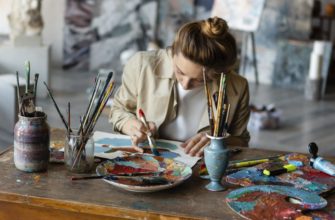
Let’s start with the fact that a reference is an essential part of the toolkit of an artist, a designer and anyone connected with art. In essence, a reference is a source of inspiration or information that an artist uses to create their work. It can be anything: photographs, sketches or even live models.
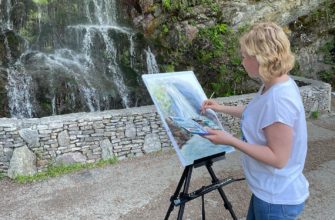
Of course, for a better understanding and rendering of form and colour, a live view of the source of inspiration is best. That is what plein air and live models are for. Plein air is a term for conveying in a painting the full richness of changing colour; it involves creating works of art outdoors, directly in the presence of the subject.
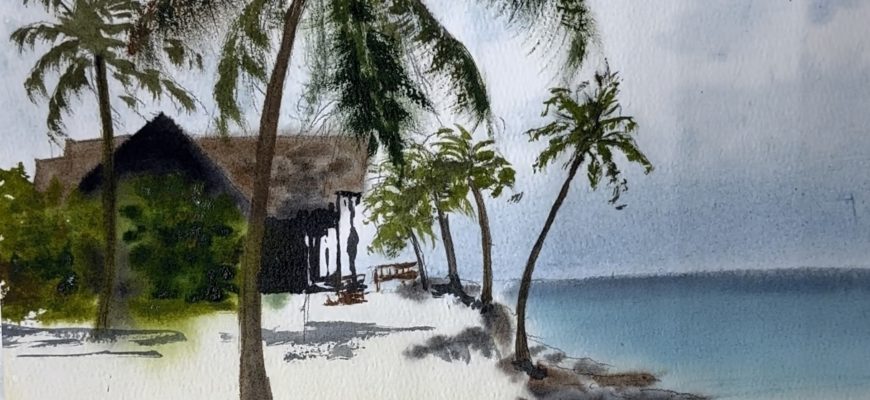
For example, I often go to plein airs in different corners of the world for inspiration. I take my art materials and a portable easel, find beautiful places and start painting on the spot, at some point not even noticing how quickly time flies. When it is not possible to go somewhere, you can simply go outside and paint near your home. You can read about choosing art materials for watercolor painting in my article “What materials do you need for watercolor painting”.
Back to references: for many artists they are crucial for several reasons. First, they can help ensure the anatomical accuracy of a work of art, especially when drawing people or animals. Without a reference, an artist may find it hard to convey the shape, proportions and movement of the subject accurately.
Second, references can give inspiration and ideas to an artist struggling with a creative block or looking for new ideas. By studying other artists’ work or exploring different subjects through references, an artist can awaken their imagination and find new directions for their art.
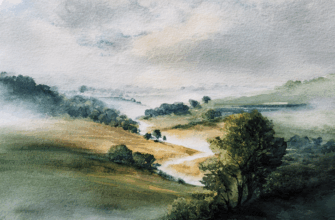
Finally, references can also help achieve a particular style or mood in your work. For example, a photo of a misty forest can help an artist convey the atmosphere of that scene in a painting, and an image of a certain type of architecture can help recreate that style in their own work.
It is worth noting that although references can be incredibly useful for artists, it is important to use them ethically and responsibly. This means that any reference material should be used in a way that respects the rights of the original creator and avoids plagiarism or copying. It is of course better to use your own photos to avoid unpleasant situations. And if you do use someone else’s photos for a design or any other work that includes a photograph, you can credit the author with a link.
All in all, references are an important tool for any artist who wants to create attractive, accurate and unique works of art. By using them thoughtfully and effectively, artists can take their work to a new level and explore exciting new directions in their creative practice.